A fresh coat of paint or a newly remodeled room can make an enormous difference in how your home feels. But before choosing colors, installing finishes, or beginning a larger renovation, it is worth taking a closer look at the walls themselves.
Drywall damage is not always dramatic. Small cracks, nail pops, dents, stains, and uneven areas can be easy to ignore, especially in a busy household. Over time, however, some of these problems can become more noticeable or point to an underlying issue that should be addressed before cosmetic improvements begin.
For West Michigan homeowners, identifying drywall problems early can help create a cleaner finished remodel and prevent you from simply covering damage that needs attention.
Rios Construction Services LLC provides professional drywall, painting, framing, and remodeling services throughout West Michigan. Here are seven signs that your drywall may need professional attention before your next painting or remodeling project.
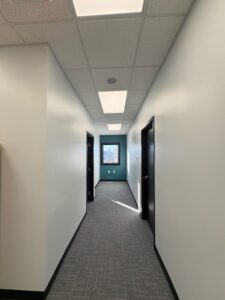
1. Cracks Are Appearing in Your Walls or Ceilings
Not every drywall crack means there is a serious structural problem.
Homes naturally experience movement over time, and minor settling can sometimes create small cracks around drywall joints, doors, windows, or ceilings. Seasonal changes can also affect building materials.
The location, size, pattern, and progression of a crack matter.
A small cosmetic crack may require a relatively straightforward drywall repair. A crack that repeatedly returns, grows larger, appears alongside other movement, or is accompanied by sticking doors or other changes deserves closer investigation.
Rather than immediately covering a crack with paint, determine why it developed and whether the underlying condition needs attention first.
2. Nail or Screw Pops Are Becoming Visible
Small circular bumps appearing through your painted walls are often called nail pops or screw pops.
They occur when a drywall fastener becomes visible beneath the finished surface. Changes in framing materials, installation conditions, or movement can contribute to these imperfections.
One isolated pop may seem insignificant, but multiple visible fasteners can make an otherwise attractive wall look unfinished.
Simply painting over them usually will not solve the problem.
The affected area should be properly repaired and refinished so the surface is smooth before new paint is applied.
3. You Can See Drywall Seams or Uneven Finishing
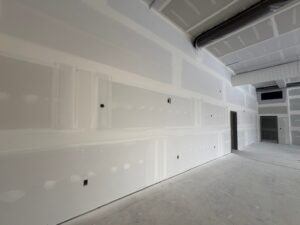
Properly finished drywall should create the appearance of one continuous surface.
You generally should not be able to look across a finished wall and immediately identify where individual drywall panels meet.
Visible seams, ridges, excessive joint compound, rough sanding, or inconsistent textures can become particularly noticeable when sunlight or interior lighting travels across the wall.
These imperfections may become even more obvious after repainting.
Professional drywall finishing can correct many of these issues and create a smoother surface before the room receives its final finish.
4. There Are Dents, Holes, or Impact Damage
Life happens inside a home.
Furniture gets moved. Doors swing open. Children play. Hardware gets removed. Shelving changes. Accidents happen.
Over the years, walls can accumulate:
- Nail and screw holes
- Dents
- Gouges
- Door-handle damage
- Anchor holes
- Furniture damage
- Larger openings from previous renovations
Minor imperfections may be simple to repair, while larger damaged areas may require new drywall, reinforcement, taping, finishing, sanding, and preparation.
If you are already investing in repainting or remodeling a room, repairing these areas beforehand can dramatically improve the final appearance.
5. You Notice Water Stains, Bubbling, or Soft Drywall
Water-related drywall damage should never be treated as a cosmetic problem alone.
Discoloration, bubbling paint, sagging material, softness, or crumbling drywall can indicate that moisture has reached the wall or ceiling assembly.
The source of that moisture needs to be identified and corrected before damaged materials are repaired and painted.
The U.S. Environmental Protection Agency recommends addressing moisture problems promptly because controlling moisture is an important part of preventing mold growth. The EPA also notes that wet or damp materials should generally be dried quickly when possible.
Painting over a water stain without addressing the source can hide the symptom while leaving the real problem unresolved.
If drywall has been significantly affected by water, a professional can help determine what material needs repair or replacement after the moisture source has been handled.
6. Previous Repairs Are Starting to Show
Not every drywall repair ages equally.
Older patches may become noticeable because of:
- Poor sanding
- Inconsistent texture
- Thick joint compound
- Visible patch edges
- Different paint sheen
- Recurring cracks
- Incomplete preparation
Sometimes the repair itself becomes more distracting than the original damage.
This is particularly common when a wall receives strong natural light. Even relatively small inconsistencies can cast shadows and become visible from across the room.
Before repainting, these areas can often be refinished so the repair blends more naturally with the surrounding surface.
7. You Are Already Planning a Remodel
One of the best times to address drywall problems is when you are already remodeling.
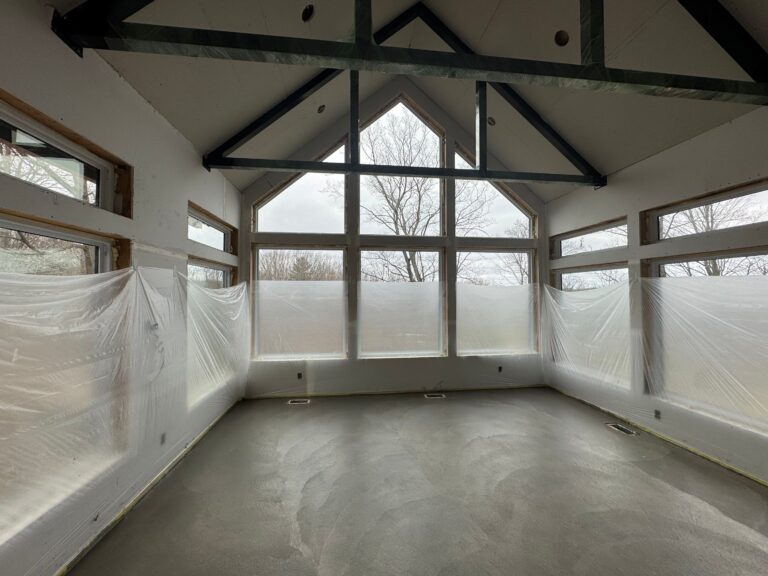
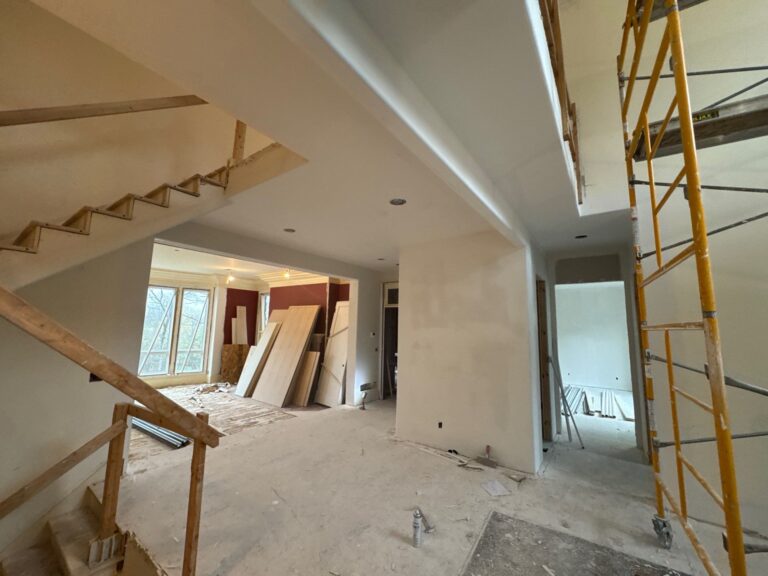
Renovation projects frequently involve opening walls, relocating partitions, changing room layouts, removing old finishes, or installing new framing.
That creates an opportunity to evaluate the condition of existing drywall and make necessary repairs before everything is finished.
Drywall work may be needed during:
- Kitchen renovations
- Bathroom remodels
- Basement finishing
- Room additions
- Home office conversions
- Interior layout changes
- Commercial renovations
- Painting projects
Coordinating drywall work with framing, remodeling, and painting can help create a more cohesive finished project.
Should You Repair or Replace Damaged Drywall?
The answer depends on the extent and cause of the damage.
Small holes, dents, isolated cracks, and limited surface imperfections can often be repaired without replacing an entire drywall panel.
More extensive damage may require removing and replacing sections of material.
Factors that can influence that decision include:
- Size of the damaged area
- Cause of the damage
- Presence of moisture
- Condition of surrounding material
- Repeated cracking
- Extent of previous repairs
- Plans for the room
A professional assessment can help determine whether repairing or replacing the affected drywall makes the most sense for the project.
Why Drywall Should Come Before Paint
Beautiful paint begins with the surface underneath it.
Paint changes color and finish, but it cannot correct every dent, crack, ridge, seam, or damaged section of drywall.
In fact, certain lighting conditions and paint finishes can make wall imperfections easier to see.
Professional surface preparation may involve repairing damaged areas, finishing joints, sanding surfaces, correcting imperfections, and priming appropriate areas before the final coating is applied.
That sequence helps produce a cleaner, more professional result.
Don’t Ignore the Reason Behind the Damage
One of the most important parts of drywall repair is understanding what caused the problem.
A hole caused by moving furniture is straightforward.
Repeated cracking, moisture damage, or unusual movement deserves more attention.
For example, the International Code Council develops model building codes used as the basis for construction requirements in many jurisdictions. Those standards address areas such as structural systems, fire safety, and building materials.
When drywall damage appears to be connected to something beyond the surface itself, repairing the visible wall should not replace investigating the underlying condition.
Professional Drywall Repair in West Michigan
Your walls make up a significant portion of what you see inside your home every day.
When they’re smooth and properly finished, you may barely notice them. When they’re cracked, dented, stained, or uneven, those imperfections can affect the appearance of the entire room.
Addressing drywall damage before painting or remodeling gives the finished project a better foundation.
Rios Construction Services LLC provides professional drywall, framing, painting, and remodeling services for residential and commercial properties throughout West Michigan.
Whether you have a few damaged areas or you’re preparing for a larger renovation, our team can help you determine the right next step for your space.
Schedule your free estimate today.
Contact Rios Construction Services LLC today.
Request a remodeling consultation.
Frequently Asked Questions
Can damaged drywall usually be repaired instead of replaced?
Yes. Many small cracks, holes, dents, and surface imperfections can be repaired. More extensive damage, particularly material affected by significant moisture or deterioration, may require partial replacement.
Should I repair drywall before repainting a room?
Yes. Repairing cracks, holes, visible seams, and other imperfections before painting generally creates a smoother and more professional finished surface.
Are cracks in drywall always a structural problem?
No. Some drywall cracks can result from normal movement or minor settling. However, cracks that are growing, repeatedly returning, unusually large, or accompanied by other changes in the building should be investigated rather than simply covered.
Can I paint over a water stain on drywall?
The source of the moisture should be identified and corrected first. Damaged material should then be evaluated, dried or replaced as appropriate, and properly prepared before repainting.
When is the best time to repair drywall during a remodel?
Drywall repairs are generally completed after necessary framing, mechanical, or other behind-the-wall work and before final painting and finish work. The exact sequence depends on the scope of the remodeling project.